
Boosting B2B Resilience: The Power of AI BPO Operational Resilience
In an increasingly unpredictable global landscape, operational resilience is no longer a luxury for B2B enterprises—it's a core requirement. Traditional BPO models struggle to adapt to rapid changes, but the advent of AI-powered BPO is transforming how companies build and maintain an unshakeable operational foundation. This isn't just about cost savings; it's about strategic value creation, ensuri

Operational resilience has become the dominant concern for B2B leaders. In an era marked by economic volatility, geopolitical shifts, and escalating cyber threats, an organization's ability to absorb, adapt to, and recover from shocks is paramount. This isn't merely about maintaining business continuity; it's about ensuring the uninterrupted delivery of critical services, protecting revenue streams, and preserving customer trust. The traditional BPO model, focused primarily on cost arbitrage, often falls short in providing this level of adaptive strength. This is where AI BPO operational resilience emerges as a game-changer, transforming outsourcing from a transactional cost center into a strategic lever for sustained stability.
The global BPO market is projected to surge from an estimated $307 billion in 2025 to $525 billion by 2030, a clear indicator of its growing importance. This growth isn't just about volume; it's fueled by a fundamental shift. AI is redefining BPO, moving it beyond simple labor cost reduction to delivering profound strategic value. For B2B enterprises, integrating AI into their outsourced operations offers a robust pathway to building true operational resilience.
The Shifting Imperative: Why Operational Resilience Dominates the 2026 B2B Landscape
The landscape for B2B operations is more complex and volatile than ever before. Organizations face a confluence of threats that demand a more proactive and adaptive approach to business continuity.
Economic Volatility and Geopolitical Risks
Supply chain disruptions, fluctuating markets, and unpredictable geopolitical events create a constant state of flux. Companies must be able to pivot quickly, reallocate resources, and maintain service levels even when external factors are in disarray. This requires operations that are not just efficient but inherently flexible and robust.
The Escalating Threat of Cyber Disruption
Cyberattacks are no longer isolated incidents; they are a persistent and evolving threat. From ransomware to data breaches, these incidents can cripple operations, erode customer confidence, and incur massive financial penalties. Proactive defense and rapid recovery mechanisms are critical, making cybersecurity a non-negotiable component of operational resilience.
Beyond Business Continuity: Adapting to Inevitable Shocks
Traditional business continuity plans focus on recovery after a disruption. Operational resilience goes further, emphasizing the capacity to absorb shocks and adapt to them in real-time. It's about designing systems and processes that are inherently antifragile, capable of improving and strengthening in the face of stress, rather than merely surviving it.
How AI Transforms Operational Resilience in BPO
AI is not just an efficiency tool; it's a foundational technology for building resilience. In BPO, AI enhances every aspect of operational stability, from foresight to recovery.
Predictive Analytics: Anticipating Disruptions Before They Occur
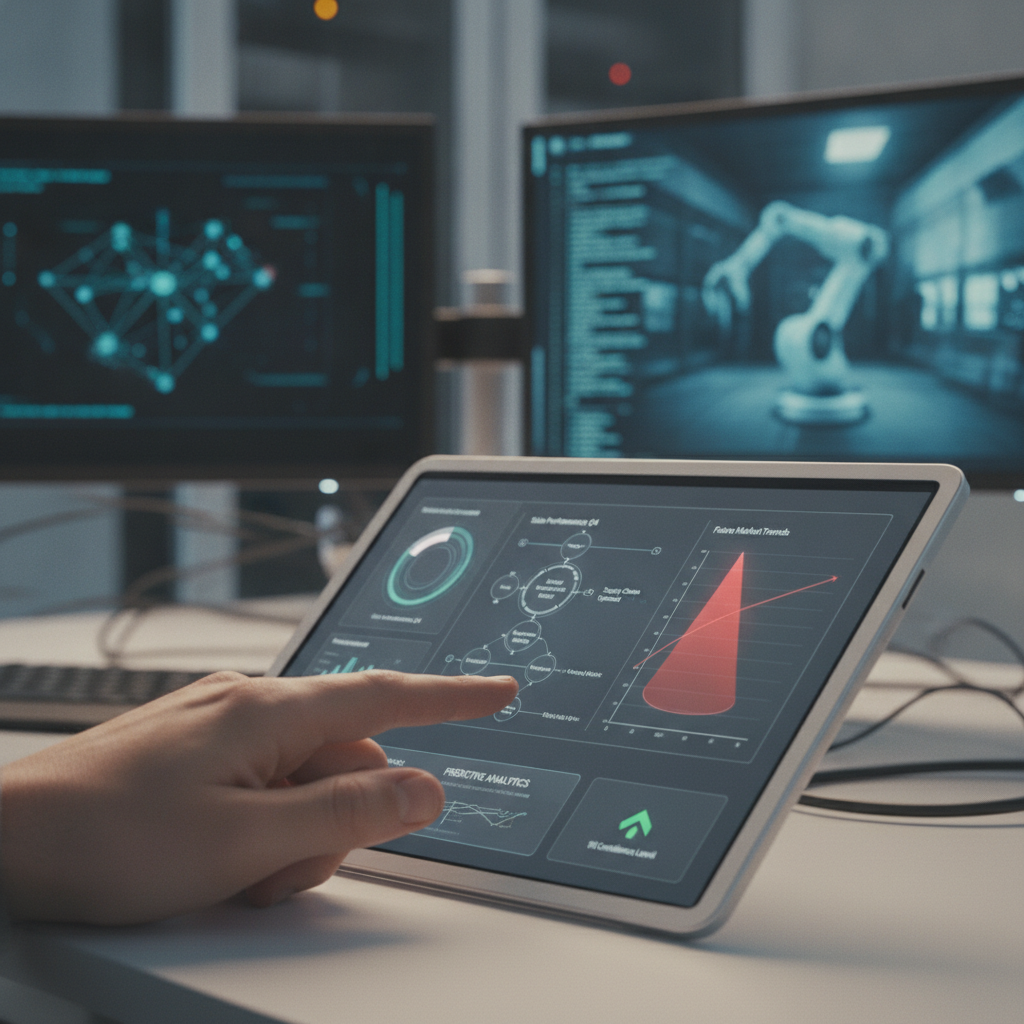
One of AI's most powerful contributions to resilience is its ability to forecast. By analyzing vast datasets—from system logs to global news feeds—AI-powered predictive analytics can forecast up to 50% of potential IT failures and supply chain disruptions. This shifts operations from reactive firefighting to proactive mitigation. Imagine identifying a potential server overload weeks in advance or rerouting logistics before a weather event closes a critical port. This foresight allows teams to implement solutions before problems impact service delivery.
Automated Response and Rapid Recovery
When incidents do occur, AI dramatically shortens recovery times. AI systems can self-heal IT infrastructure, automatically reroute customer queries during agent outages, and prioritize critical functions based on real-time impact assessments. This capability can reduce downtime from hours to minutes, a crucial difference when every moment of service interruption translates to lost revenue and customer dissatisfaction. For instance, in a customer support scenario, AI agents can immediately step in to handle high volumes during unexpected human agent unavailability, maintaining service levels.
Enhancing Cybersecurity and Compliance with AI
AI plays a crucial role in bolstering an organization's security posture. AI-driven threat detection systems can identify anomalous patterns far faster and more accurately than human analysts, stopping attacks before they escalate. Furthermore, AI assists in maintaining compliance with complex regulatory frameworks like NIST AI RMF and the EU AI Act, which will require full compliance for high-risk AI systems by August 2026. An AI BPO partner can implement robust data security protocols and ensure continuous adherence to these evolving standards, minimizing legal and reputational risks.
The Hybrid Pod Advantage: Human-AI Synergy for Unwavering Operations
The most effective approach to AI BPO operational resilience isn't pure automation but a strategic integration of AI agents and human expertise. This is the essence of Westeq's Hybrid Pod model.
Optimizing Workloads: AI for Volume, Humans for Nuance
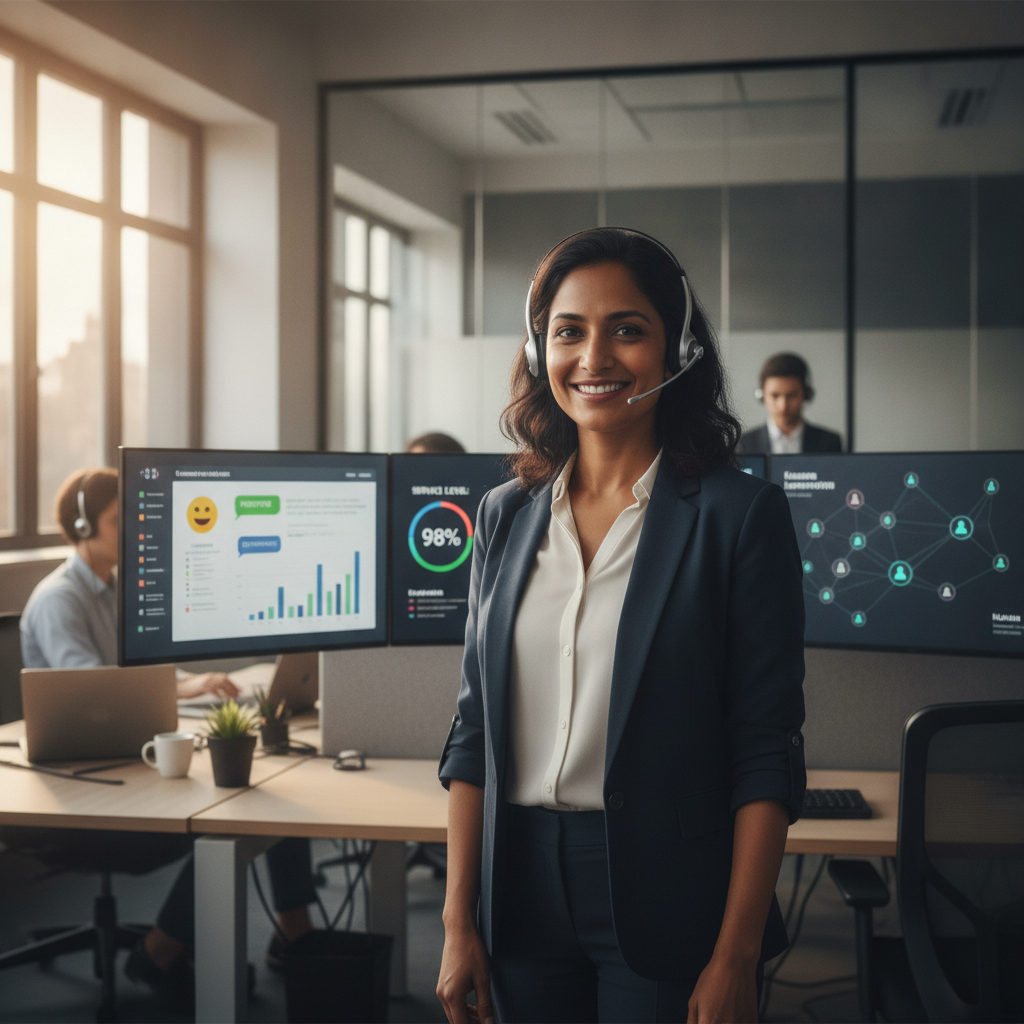
In a Hybrid Pod, AI agents handle 80-90% of routine, repetitive customer service queries, data entry, or operational tasks. This frees human agents—the elite specialists in our Hybrid Pods—to focus on complex problem-solving, empathetic interactions, and strategic tasks that require human judgment. This division of labor ensures that critical business services are always delivered efficiently, even under pressure. When a customer's issue is simple, AI resolves it instantly; when it's nuanced, a skilled human provides the white-glove service, maximizing both efficiency and CX.
Scalability and Flexibility On-Demand
One of the core benefits of AI-driven BPO is the ability to rapidly scale operations without proportional headcount increases. Cloud-based AI systems offer instant scalability to meet fluctuating demands, whether it's a sudden spike in customer inquiries or a seasonal operational surge. This agility is a cornerstone of operational resilience, allowing businesses to adapt quickly without over-committing resources. Westeq deploys Hybrid Pods in just 14 days, providing rapid scalability and adaptability for our clients.
Driving Value: Cost Efficiency and Predictable Pricing for Resilience
Beyond resilience, AI BPO offers compelling economic advantages, making it a smart investment for B2B enterprises.
From FTE to Outcome-Based Models
Traditional BPO often relies on hourly billing (FTEs), which can lead to unpredictable costs and a misalignment of incentives. AI-driven BPO, particularly with Westeq, shifts to outcome-based pricing. Clients pay for verified results—resolved tickets, adjudicated claims, successful onboarding processes—rather than just agent hours. This model guarantees that you're paying for tangible value and ensures a clear ROI.
Tangible Savings and ROI
By leveraging AI agents to handle routine tasks and optimizing human resources, AI-driven BPO can achieve 35-60% lower operating costs compared to traditional models. These aren't just marginal savings; they represent a significant reduction in operating expenses while simultaneously strengthening CX. This dual benefit of cost efficiency and enhanced operational resilience makes the case for AI BPO undeniable.
Selecting Your AI BPO Partner for Resilience
Choosing the right partner for AI BPO operational resilience is a critical decision. It requires evaluating not just technology, but also a partner's security posture, deployment speed, and commitment to tangible outcomes.
Key Criteria: Technology, Security, and Speed to Value
When evaluating potential partners, prioritize those with proven AI capabilities, robust cybersecurity frameworks, and a clear track record of rapid, effective deployment. Look for partners who openly discuss their data security protocols, compliance with relevant regulations (like the aforementioned NIST AI RMF and EU AI Act), and their ability to integrate seamlessly with your existing systems. Speed to value is also paramount—the ability to deploy and demonstrate results quickly means faster realization of cost savings and resilience benefits.
Westeq's Approach to AI BPO Operational Resilience
Westeq stands as a leading AI-BPO provider, purpose-built to deliver unparalleled operational resilience. Our approach is unique: we pair advanced AI Agents with elite human "Hybrid Pods" operating from secure facilities in the US, Colombia, and the Philippines. This model ensures not only substantial cost savings (40-60% for B2B teams) but also superior CX and unwavering operational stability. Our flat per-pod pricing offers transparency and predictability, aligning our success with your outcomes. Furthermore, our rapid deployment of Hybrid Pods in just 14 days means your business can achieve enhanced resilience and efficiency almost immediately. We invite you to learn more about our commitment to security and ethical AI on our Trust Center or Contact us to discuss how we can build an unshakeable operational foundation for your enterprise.
FAQ
What is AI BPO Operational Resilience?
AI BPO operational resilience refers to an organization's ability, enhanced by AI-powered Business Process Outsourcing, to anticipate, absorb, adapt to, and rapidly recover from disruptions (e.g., cyberattacks, economic shocks, system failures) while continuously delivering critical business services. It moves beyond traditional business continuity by focusing on proactive prevention and dynamic adaptation.
How does AI BPO help reduce operating costs?
AI BPO reduces operating costs by automating routine tasks with AI agents, freeing human agents to focus on complex, high-value work. This optimization leads to significant efficiency gains and often shifts from traditional FTE-based pricing to outcome-based models, where clients pay for results. Westeq, for example, typically helps B2B teams cut operating costs by 40-60%.
What is a "Hybrid Pod" in AI BPO?
A Hybrid Pod is a strategic model where purpose-built AI agents work in synergy with elite human teams. The AI handles high-volume, repetitive tasks, while the human agents (the "pod") manage complex, nuanced, or empathetic interactions. This creates a highly efficient, scalable, and resilient operational unit, ensuring consistent service quality and continuous delivery. Westeq's Hybrid Pods deploy in 14 days.
See how Westeq could run this for you.
AI agents + hybrid pods, live in 14 days. Save 40–60% on operations cost while strengthening CX.